Poverty, Casework, and the Lives of Urban Women
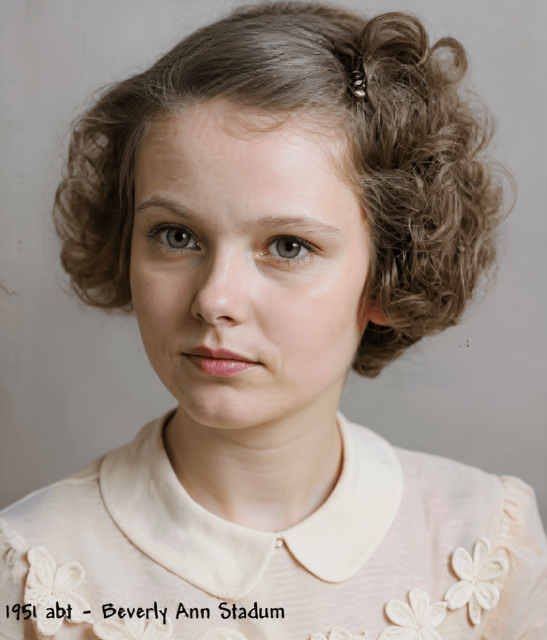
Dr. Beverly Stadum—daughter of Palmer and Signe—has spent her professional life investigating the history of social welfare, the lives of low-income families, and the administrative systems designed to manage poverty. Her scholarship provides a critical lens for understanding the practical structures of family and community survival.
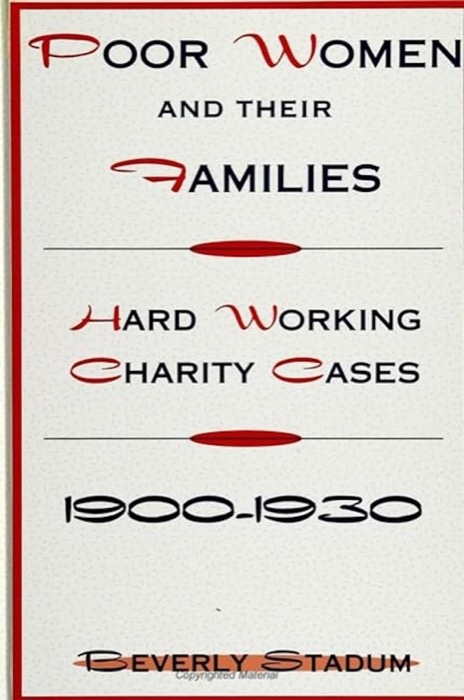
Beverly was born in 1945 in Rugby, North Dakota, during the final months of World War II. Her academic journey led her into social work and history, eventually leading to a faculty position in the Department of Social Work at St. Cloud State University in Minnesota. In 1992, she published *Poor Women and Their Families: Hard Working Charity Cases, 1900-1930* through the State University of New York Press. The book was a landmark study of early-century urban women in Minneapolis. Rather than treating charity cases as passive victims, Beverly's research illuminated their complex, multi-dimensional roles. She documented how these women balanced motherhood and informal employment, navigated relationships with men, relied on networks of female kin, and bargained with city charity agencies. Her work showed that survival was an active, strategic process.
Reform vs. Survival: The Dilemma of Child Labor
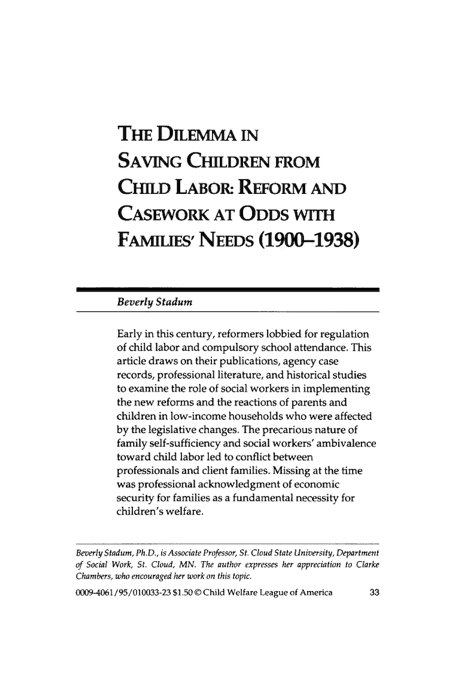
Beverly expanded her investigation of historical social work in her scholarly articles. In her piece *The Dilemma in Saving Children from Child Labor: Reform and Casework at Odds with Families' Needs (1900-1938)*, published in the mid-1990s, she analyzed the conflict between middle-class reformers and low-income client households. While progressive reformers lobbied for child labor bans and compulsory school attendance, poor families often relied on their children's earnings for basic survival. Beverly examined how early social workers navigated this ambivalence. She highlighted a critical historical gap: the failure of early social reformers to advocate for structural economic security for families as a prerequisite for children's welfare.
In another study, *Female Protection and Empowerment: Travelers Aid Services, 1919-1934*, she explored Duluth, Minnesota's Travelers Aid (TA) programs. Her work showed how TA workers sought to protect and rescue single women arriving in Duluth, balancing their mission between social control and genuine empowerment. Through these works, Beverly established herself as a historian who listened carefully to the voices of marginalized women in the archives.
Artistic Vision and the Norwegian Heritage
Beyond the archives, Beverly's interest in people and places found expression through photography. She participated in the "Hit her nå / Click here now" project, a Norwegian-American photography initiative organized by the Oslo Museum (OPAM). The project focused on the visual lives of Norwegian-Americans and their connections to Norway. Having roots in Rugby, North Dakota, and Hadeland, Norway, Beverly used her camera to document daily life, linking her academic sensitivity to human stories with a visual, artistic practice. The project connected contemporary Norwegian-American identity with its ancestral landscapes, mirroring her family's own journey from Jevnaker and Gran to the Red River Valley.
Preserving the Family Archive
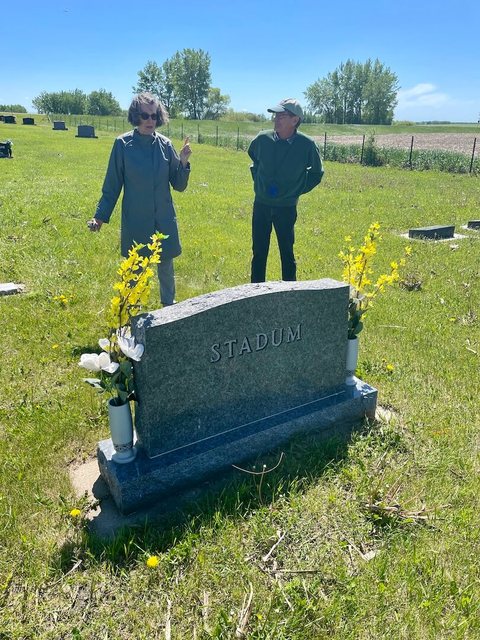
In addition to her public scholarship, Beverly has been a critical custodian of the Stadum family history. She compiled biographies of her father Palmer, preserved his mechanical models representing the electrification of North Dakota, and helped coordinate donations to local historical museums. Her training as a historian ensured that Palmer's oral histories, letters, and work files were cataloged rather than lost. In recent years, she has remained active in community discussions, including the Ely Elementary expansion public forum in Rugby in 2021. Through her academic books, historical articles, photography projects, and preservation work, Dr. Beverly Stadum has connected the intimate history of the Stadum family with the broader, structural narratives of American social history.