Born into a world with no electricity
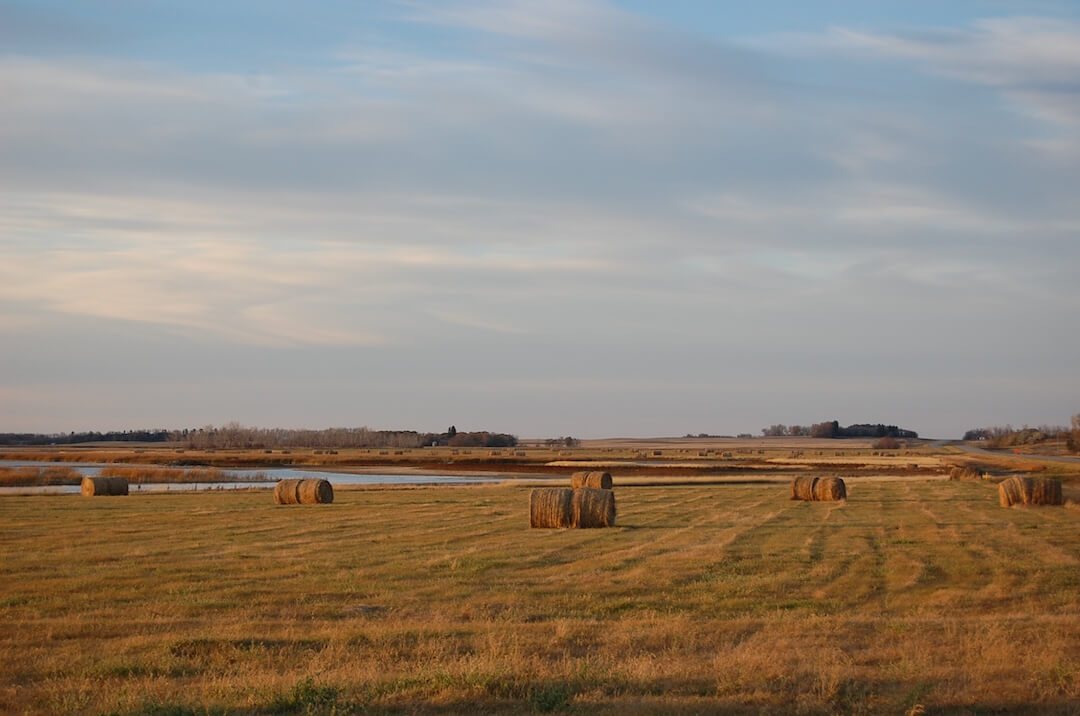
Palmer Alvin Stadum arrived in 1909 as the oldest child of John and Gina Stadum, Norwegian immigrants who had staked their claim on the open prairie of north-central North Dakota. The land was wide and unforgiving, the winters long. There was no electricity. There was no running water. There was kerosene and muscle and the slow turning of the seasons.
But there were also machines. By age seven, Palmer was steering his father's car across the pasture – not quite driving, but close enough. He grew up around threshing engines and blacksmith tools, taking apart anything mechanical he could reach, putting it back together, understanding it. Machines made sense to him in a way that not many things did.
The Norwegian immigrant community of Benson County was tight-knit and practical. You helped your neighbors because one day you would need them to help you. That cooperative instinct – born on the prairie – would define everything Palmer did for the next forty years.
The Broe Township history places this world more precisely: Township 154 North, Range 70 West, with Baker growing around the railroad and local commerce. The same local-history source also names J. Signe Solberg, later Mrs. Palmer Stadum, in the school record. That gives Palmer's story a second anchor before marriage: Baker was not only where electricity became a project, but where Signe's own community life was already visible.
The radio workshop, and a bigger idea
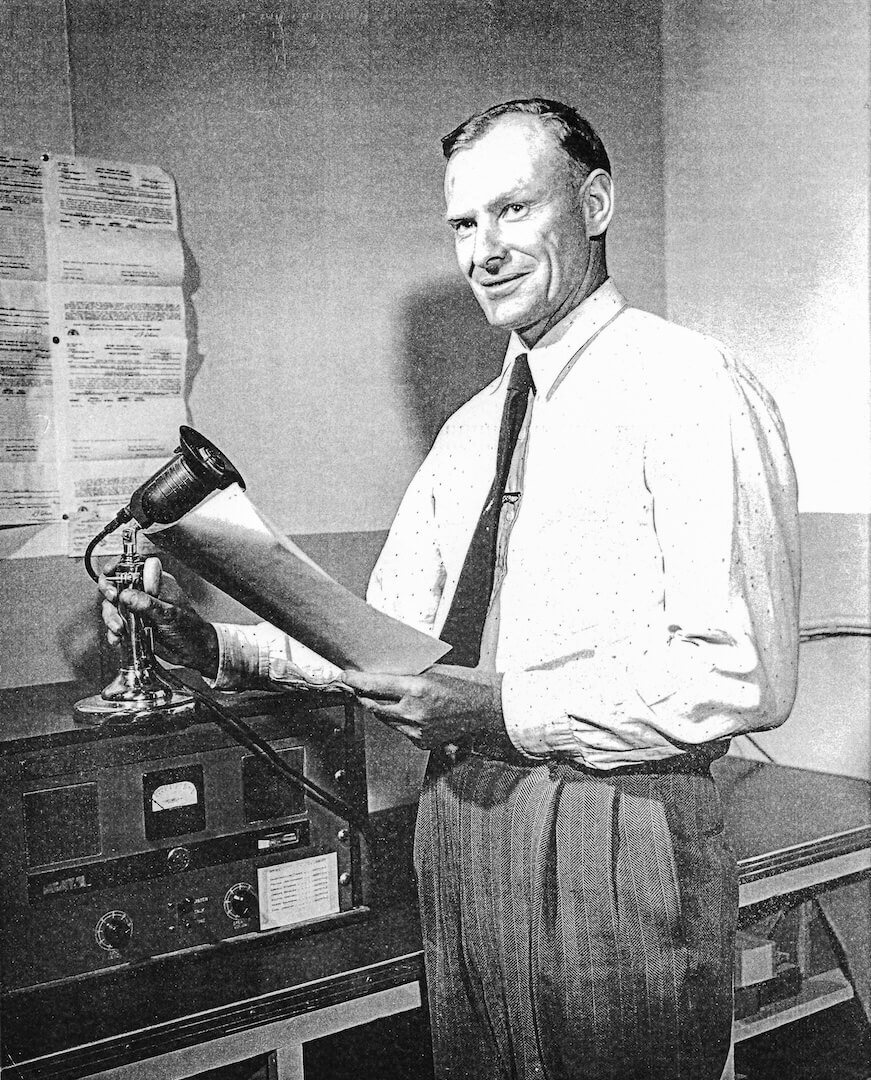
In his twenties, Palmer bought the old bank building in Baker and turned it into a radio workshop. He built sets, repaired them, sold them. The Baker Technical Club met there – a loose gathering of men who argued about electricity, space flight, and the future. Palmer was always at the center of it.
But around him, the farms were still dark. Every night across Benson County, families lit their homes with kerosene lamps. They pumped water by hand. The nearest town might have electricity, but the lines stopped at the county road. The farms – where the real work happened – were left in the dark.
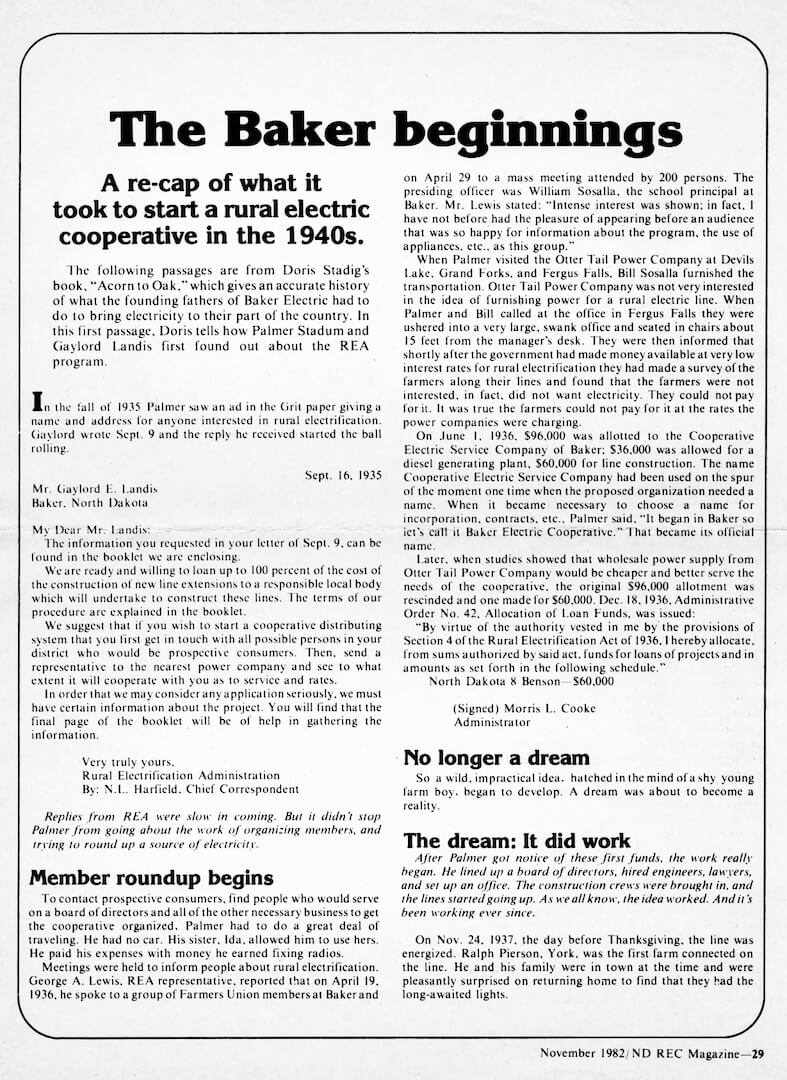
Then in 1935, Palmer read about Franklin Roosevelt's Rural Electrification Act – federal money available for cooperatives that could organize farmers and run their own lines. He recognized it immediately. This was the idea he had been waiting for.
A North Dakota farmer goes to Washington
What Palmer did next was remarkable. He traveled to Washington, DC – to Congress, to the Roosevelt administration – to make the case that the farmers of Benson County deserved electricity. A young man from the North Dakota plains, with no political connections and no money, walking into federal offices to argue for his community.
Two years after that trip, the Rural Electrification Act passed. The money was there. Now Palmer had to build the cooperative that would use it.
The lights come on at the Pierson farm
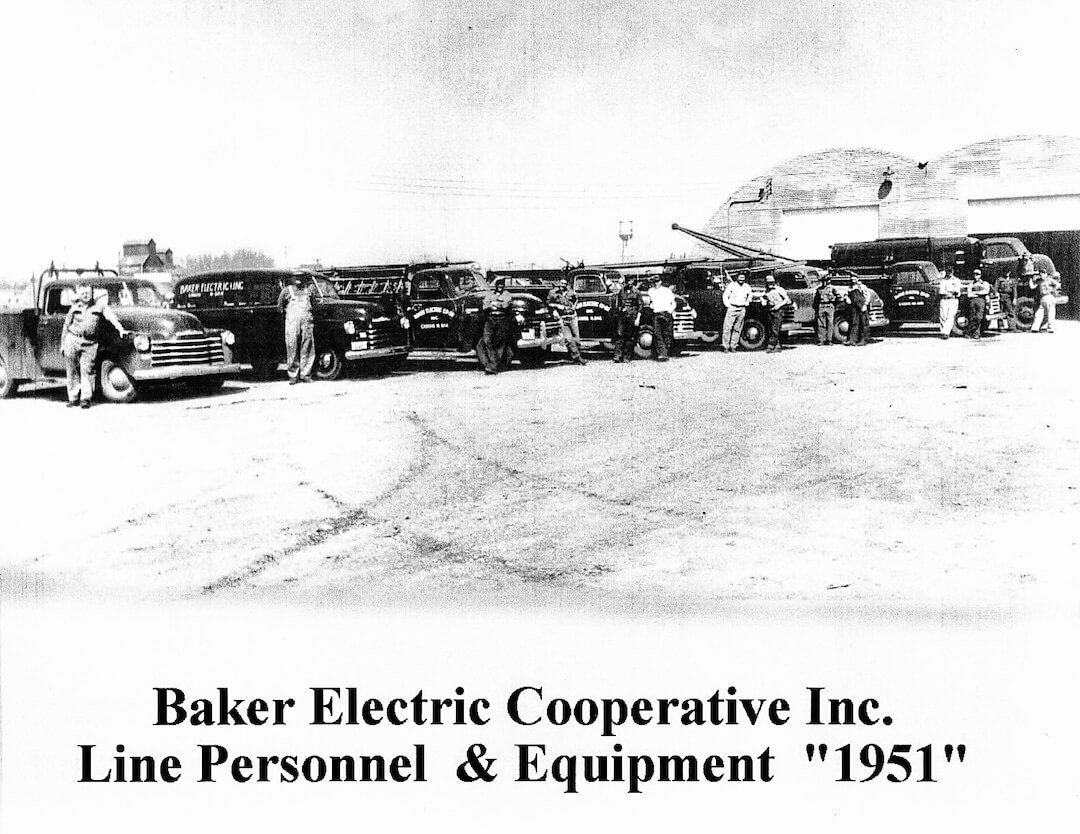
Baker Electric Cooperative became official in April 1937. Palmer and his crew spent that year stringing line across Benson County – setting poles, running wire, connecting farmsteads one by one to the grid that Palmer had helped bring into existence.
In November 1937, the lights went on in the barn at the Pierson farm in Benson County. The first farm electrified by Baker Electric. The moment the whole effort was for.
That phrase – passed from Palmer to Rod, and from Rod to this archive – is one of the most vivid things in the entire record. No photograph captures it. No document describes it. It survived because Rod remembered his father saying it, and Scott wrote it down.
Navy SeaBees – building the Pacific
When the war came, Palmer enlisted in the US Navy's Construction Battalions – the SeaBees. Their motto was Construimus, Batuimus: We Build, We Fight. They built airstrips, harbor facilities, and military infrastructure across the Pacific theater, often under fire.
Palmer was stationed in Hawaii. The same man who had spent the 1930s stringing power lines across North Dakota farms was now wiring military bases on the other side of the world. Different scale. Same skills. Same methodical, careful work.
He came home in 1945. Nine months later, Beverly was born. Peggy had already been born in 1942, before Palmer shipped out. The family was whole again. Back on the plains, back to work.
One part at a time
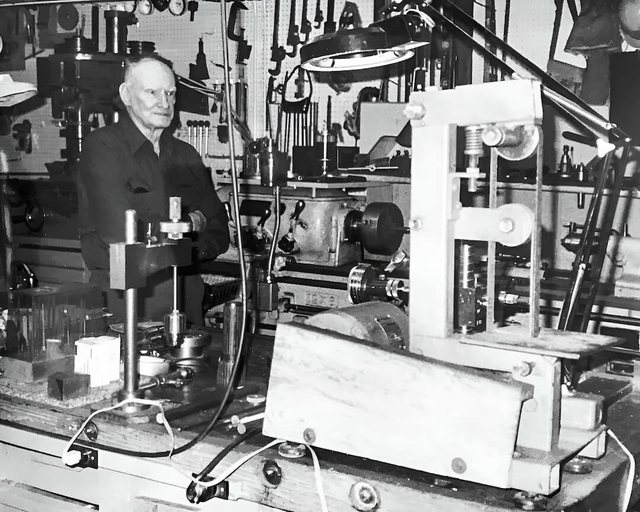
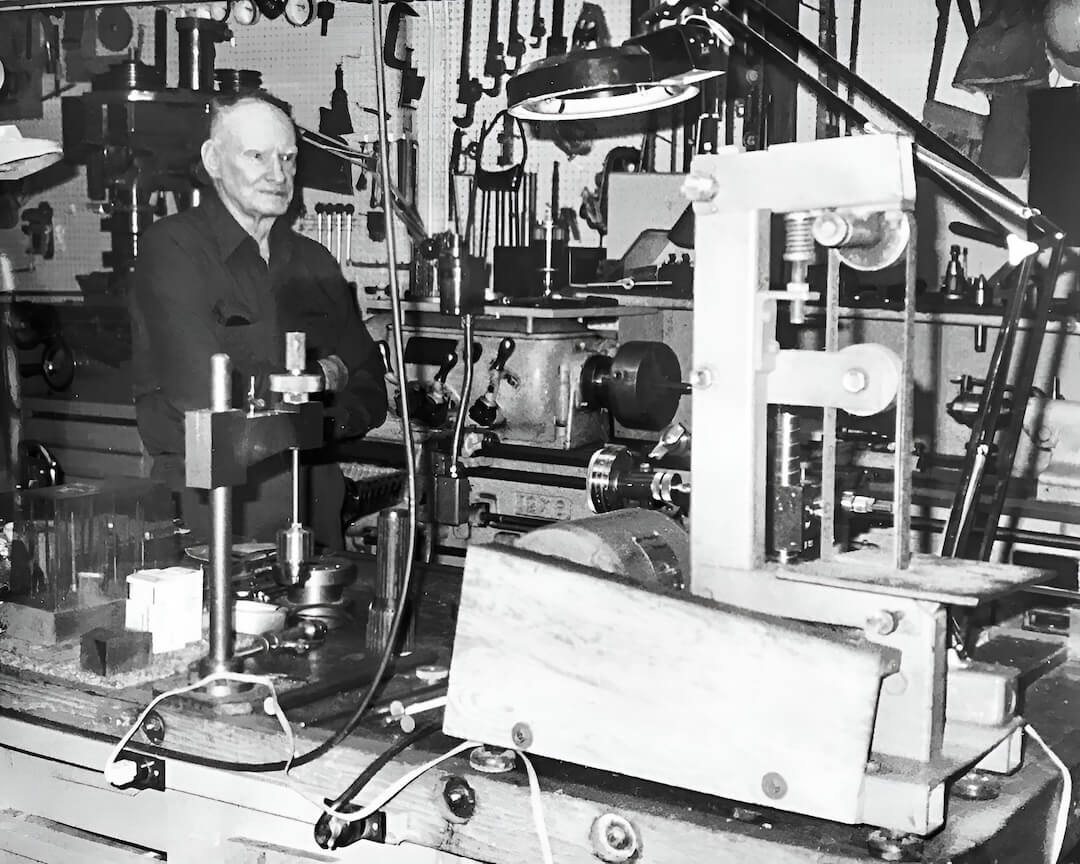
After decades as an electrician for Main Electric in Minot, raising three children with Signe – Rod, Peggy, Beverly – Palmer retired. And in retirement, he built machines.
Not from kits. From blueprints. Locomotives and engines assembled from metal parts he machined himself, each piece measured and filed and fitted by hand. It was the same patience that had strung power lines across a county, applied to a thing small enough to sit on a shelf.
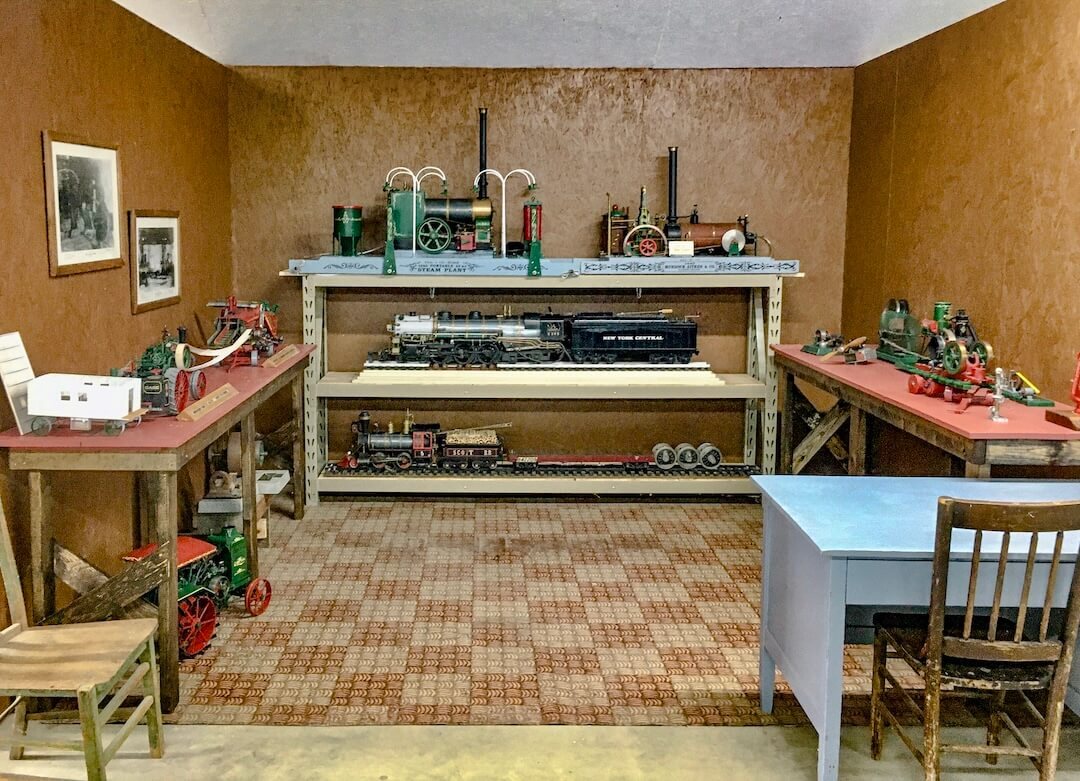
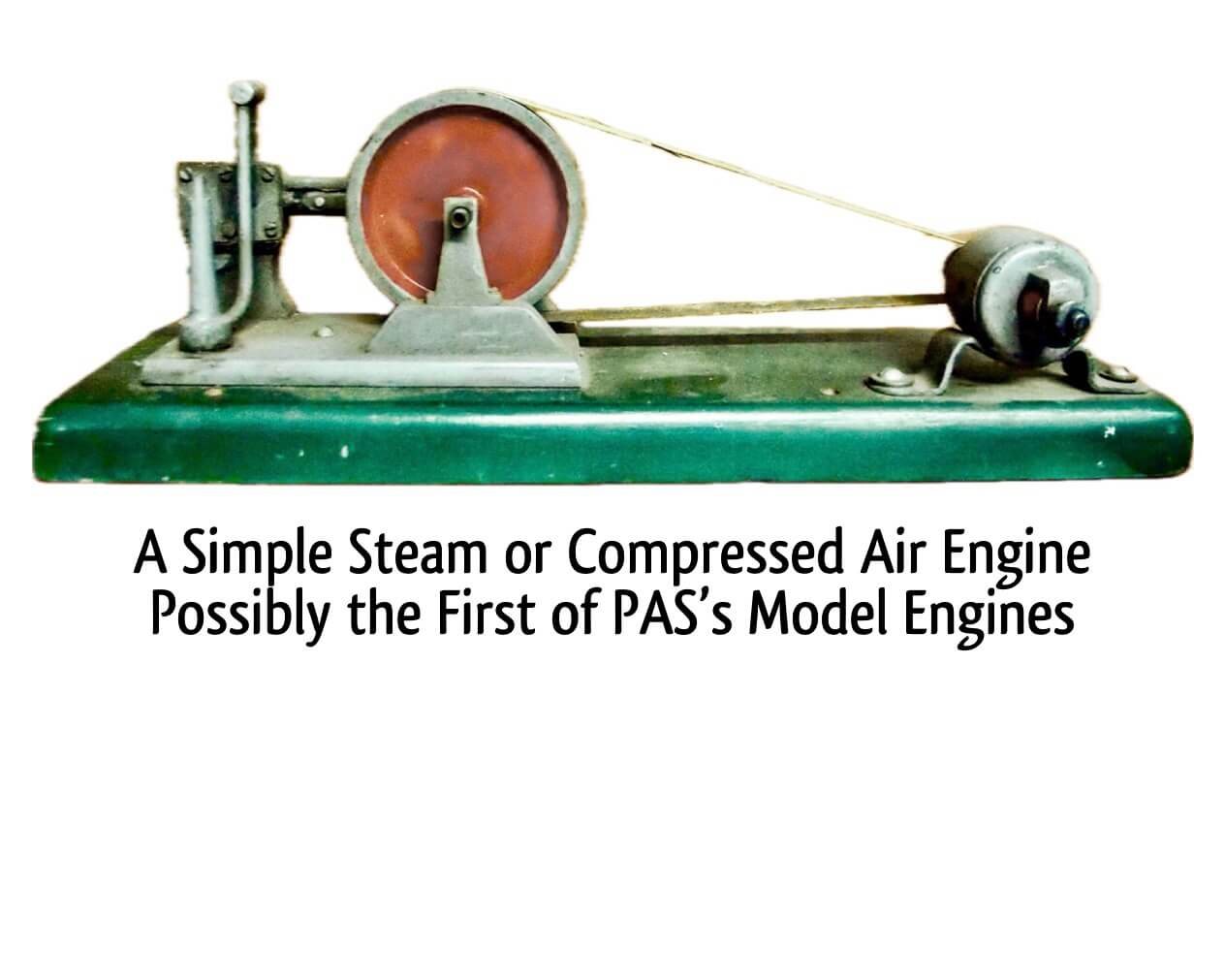
One of the locomotives he named Scott – for his grandson. The model now sits in the Rugby Pioneer Village museum alongside Palmer's framed photographs and Beverly's family biography. It is a small, precise, beautiful object. It is exactly the kind of thing you make when you are not trying to prove anything to anyone.
A princess stops at his table
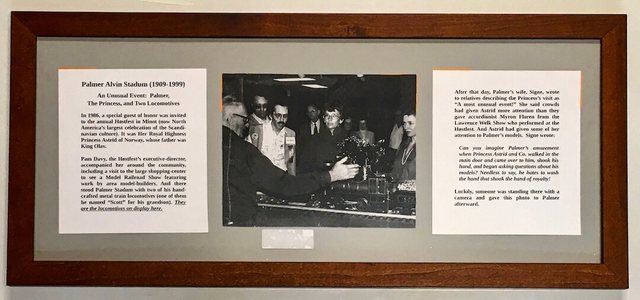
In 1986, Princess Astrid of Norway toured a model railroad show at Høstfest in Minot – the Norwegian heritage festival that draws thousands to the North Dakota plains each autumn. She moved through the hall, past table after table of models. Then she stopped at Palmer's.
She asked about two of his hand-crafted locomotives. They talked. Signe later described it to relatives as "a most unusual event." Which it was – a retired North Dakota electrician and a Norwegian princess, talking about machines.
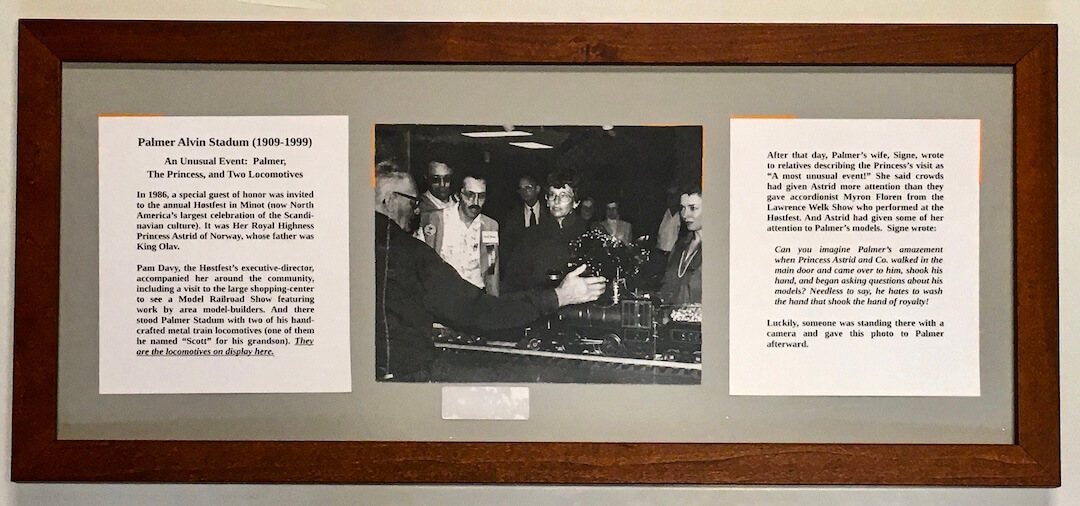
But maybe it wasn't so unusual. Palmer had always made beautiful things and let them speak for themselves. He had never needed to announce who he was or what he had done. The cooperative, the lines, the Washington trip, the war – none of it was on display. Just the machines. And this time, a princess noticed.
Ninety years, one life
Palmer Alvin Stadum died in 1999 at age 90. He had lived from the pre-electric Great Plains to the internet age. He had helped wire a county, served in a world war, raised three children, built things with his hands every decade of his life, and had a conversation with Norwegian royalty about locomotives.
Signe followed him in 2003. Their children – Peggy, Beverly, Rod – carried the stories. Rod in particular remembered everything. When Scott came to record it in 2019, Rod sat down and talked for forty-five minutes about his father – the machines, the cooperative, the Washington trip, the Navy, the models, the princess. All of it, from memory.
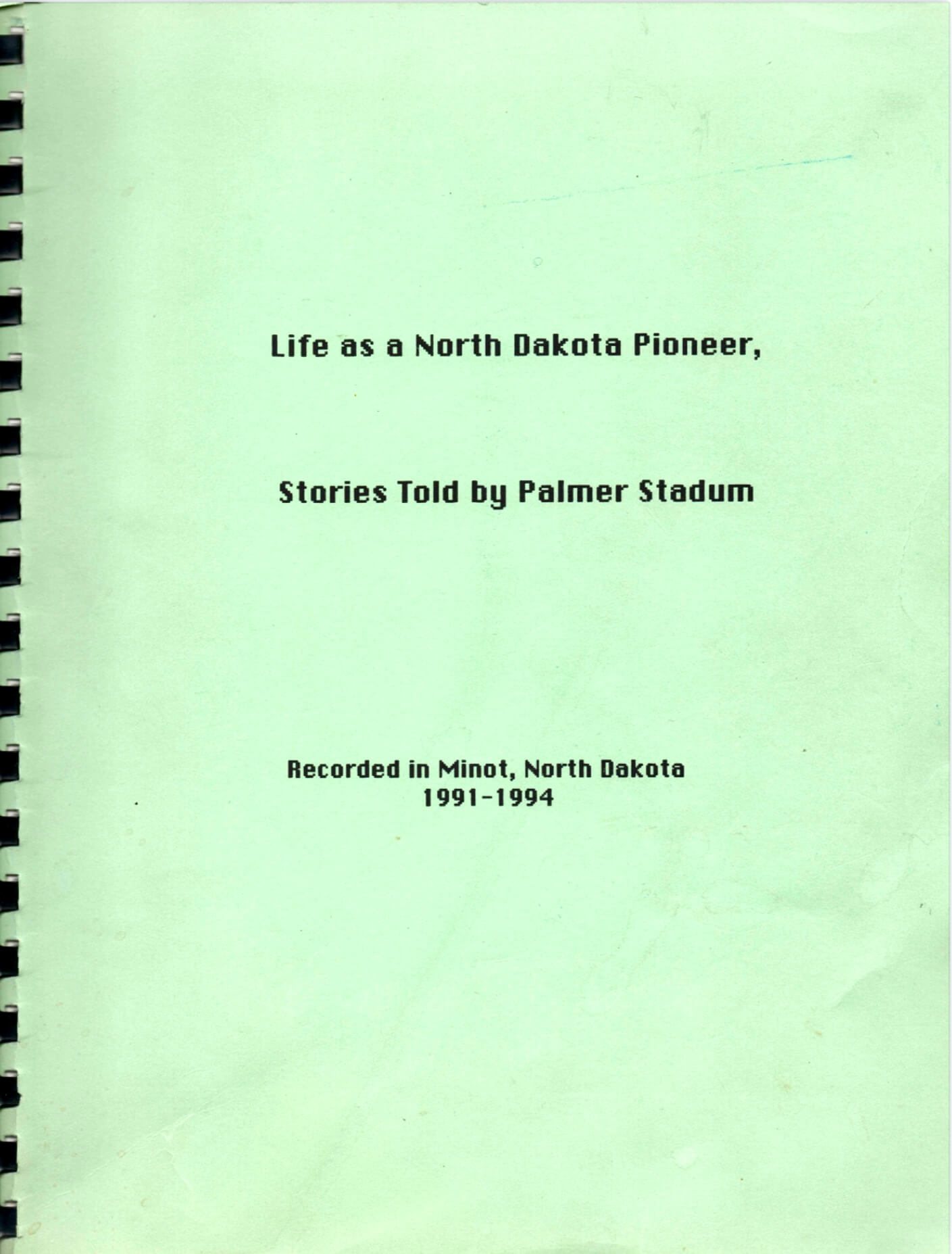
In 2023, Beverly donated Palmer's models, framed photographs, and her family biography to the Rugby Pioneer Village museum. Formally catalogued. Publicly accessible for the first time.
That is this archive. This is the story.