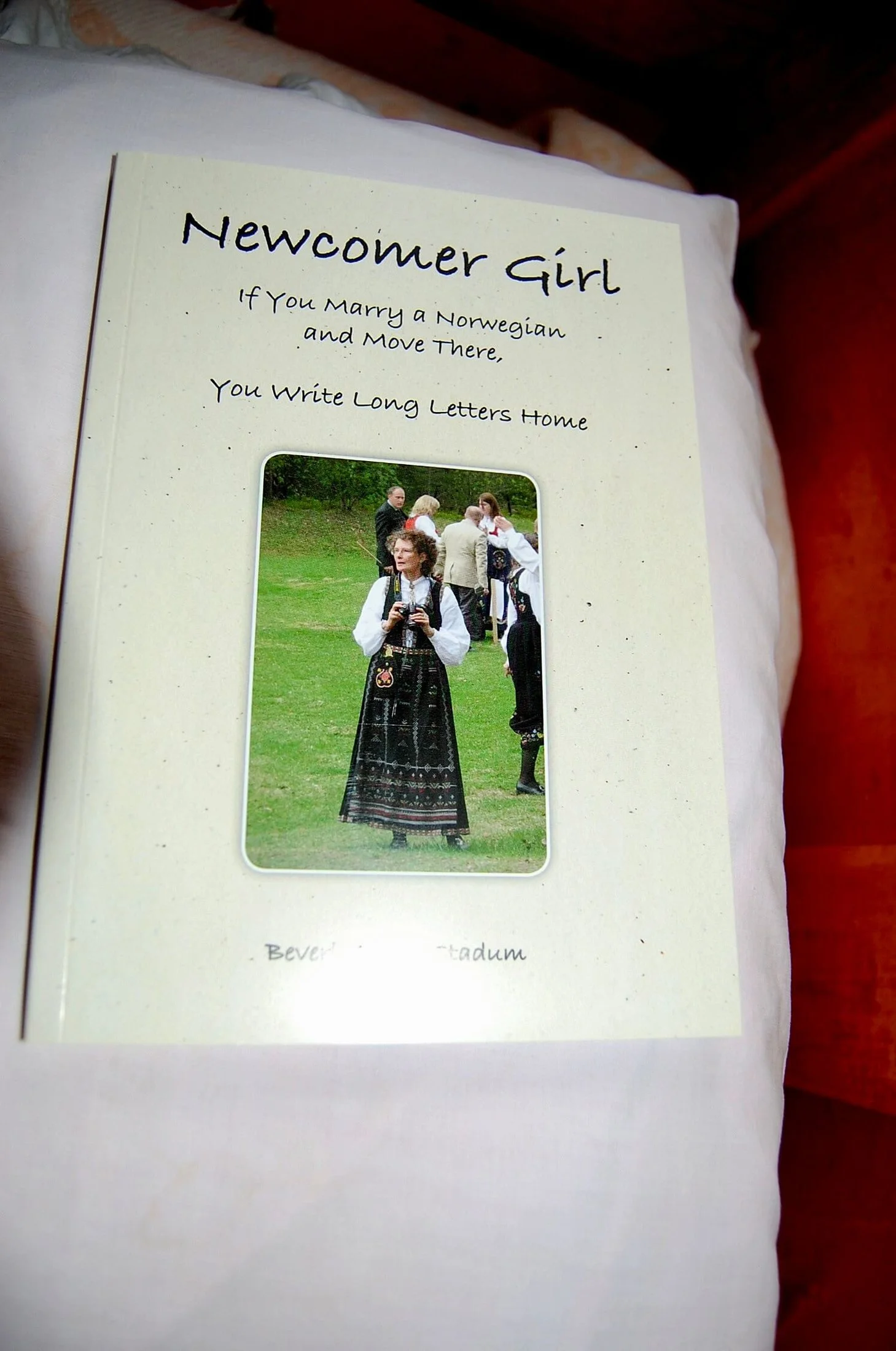
Beverly's Story
Beverly is one of the archive's bridge figures: close enough to Palmer and Signe to preserve family memory, and publicly documented enough to connect that family story to scholarship and place.
In the Palmer material, Beverly appears as a caretaker of memory. Her biography of Palmer, the museum donation, and the preserved photographs and models are part of the reason the family can now build this living archive. That role matters because it turns family objects into records that can be cited, organized, and revisited.
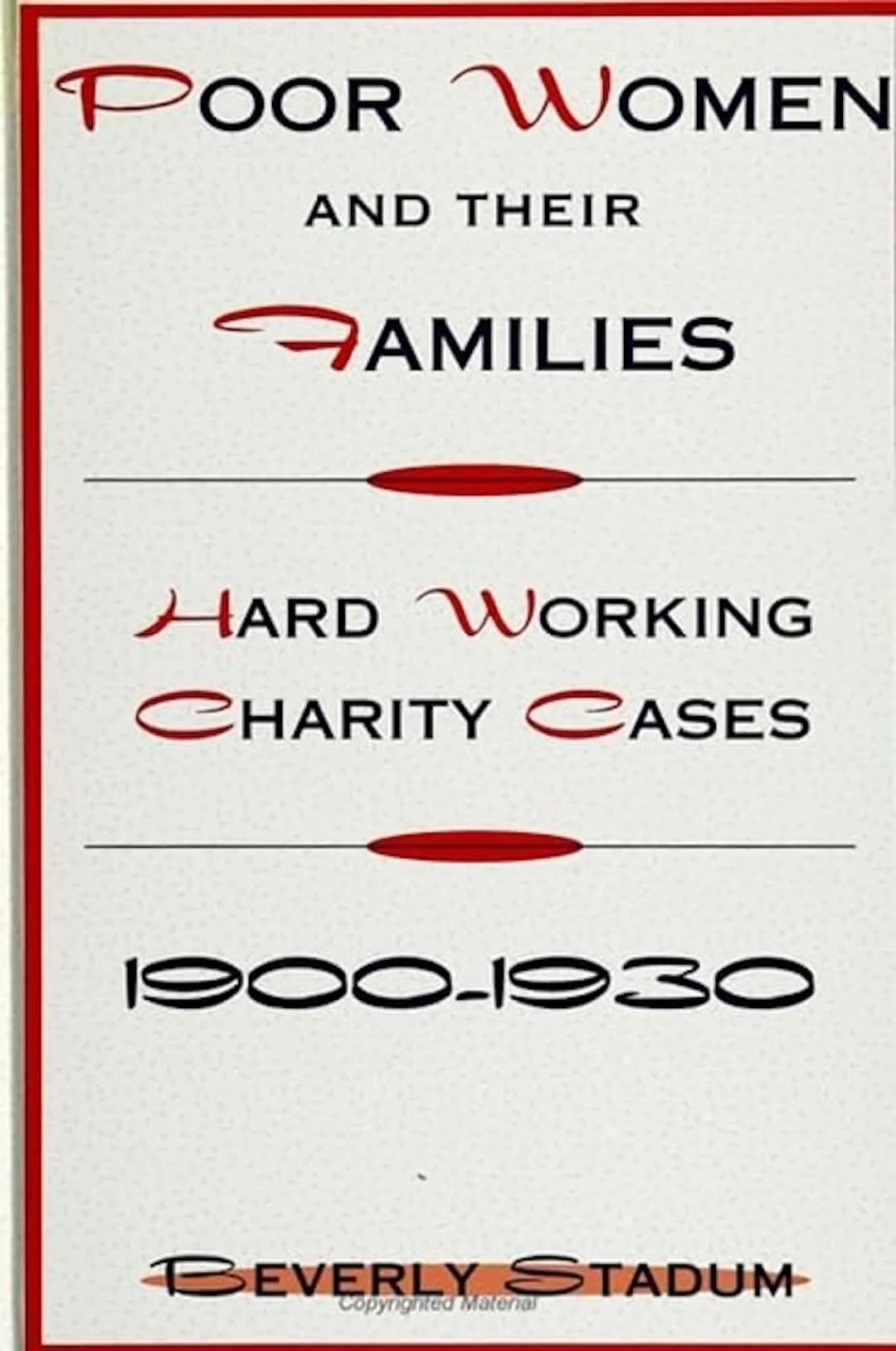
Her public scholarship adds another layer. Poor Women and Their Families: Hardworking Charity Cases, 1900–1930 and her article on child labor reform point toward a life of studying women, families, economic hardship, social services, and the complicated systems built around care. The work belongs here because it is part of Beverly's life story, but it also deserves its own deeper story page as more text and context are gathered.
Her daily photography practice in Norway reflects the same habits as her scholarship: sustained attention, a record-keeper's discipline, and a way of making place visible. Beverly reads the New York Review of Books, exchanges poems, writes in English with Norwegian sign-offs, and maintains a running intellectual correspondence with family — an ongoing extension of the archive into living conversation.
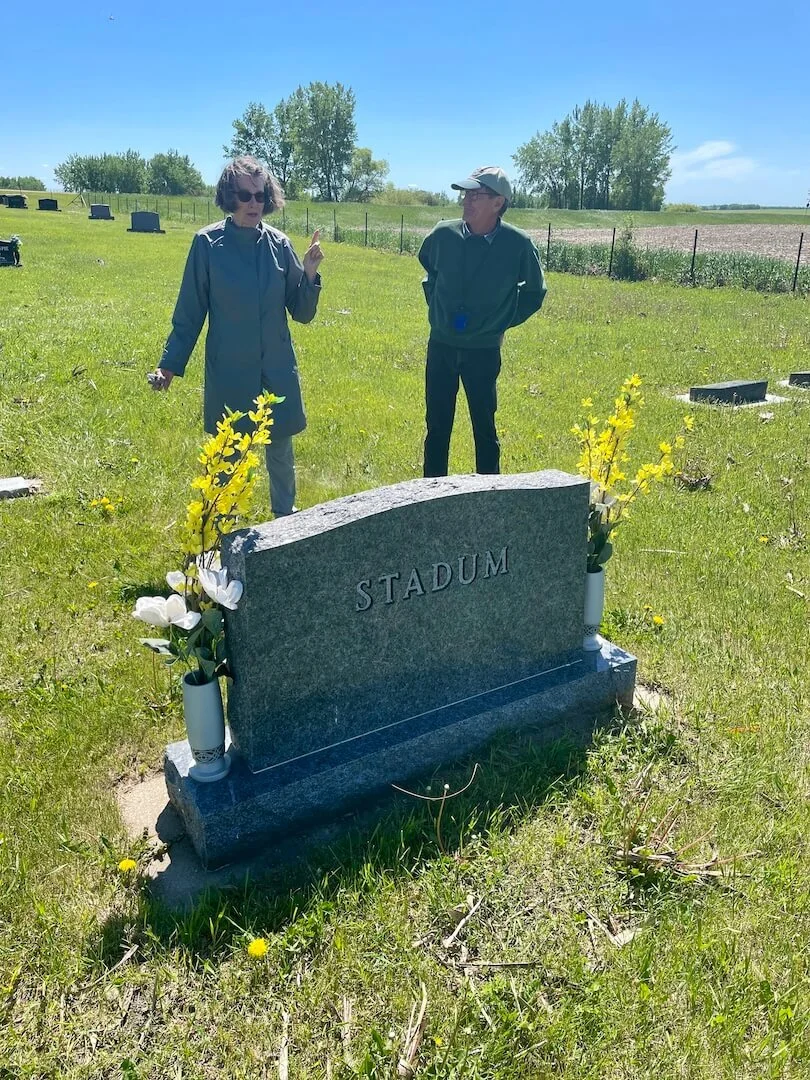
In fall 2025, Beverly returned to North Dakota to help clear Peggy's house. Working through roughly ten plastic tubs of old photographs, letters, and documents, she found something none of Palmer and Signe's children had known existed: a large stack of letters Signe had written to Palmer across his three years of wartime service at Pearl Harbor, where Palmer worked as a Navy electrician wiring the rebuilt submarine base. Palmer had saved the letters and brought them back to North Dakota. Signe had kept them stored under the bed in Minot — never mentioning them to her children. Beverly took the letters to Norway. "I have brought them back here," she wrote, "and very much look forward to reading them all. I wish I would find comments about war, but I assume war-time censoring etc. would not have allowed that."